
Function :
At present, the motor on the ship is distributed in each cabin, most of the motor starters are distributed in each cabin, the crew control motor need to
go back and forth in each cabin, which increases the workload, and it is not convenient to monitor the running state of the motor; even if the combined
start screen centralized management is adopted, it also increases the cable laying of the shipyard, and increases the cost of ship construction The working
environment of the motor is relatively bad, and the motor failure is difficult to avoid completely. Once the unpredictable failure occurs, it may cause huge
economic losses, and even endanger personal safety.
The Intelligent Motor System is a new generation of motor monitoring and diagnosis equipment developed to meet the requirements of network
and intelligence of modern ships. The distributed layout and centralized management of marine motor can be realized by using fieldbus, which can
reduce the cable laying in shipyard; the start and stop of motor can be controlled centrally, and the relevant operation parameters of motor can be
monitored in the whole process, which is convenient for shipyard equipment layout and provides maintenance strategy for users.
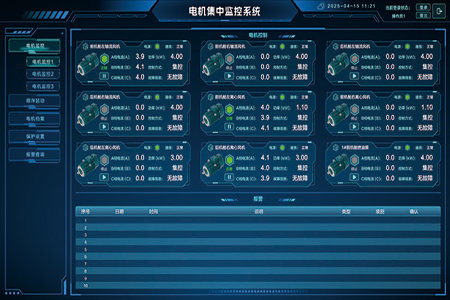
In addition to its normal monitoring functions, the motor centralized monitoring system can also detect and alarm for faults such as motor overload,
stalling, and imbalance. This effectively enhances motor operational safety and reliability, extends equipment lifespan, and safeguards crew safety.
Features :
It has the protection function of traditional thermal relay;
It provides a variety of protection and fault diagnosis and early warning for the motor, and improves the safety of the motor system;
Meet GJB electromagnetic and environmental requirements;
Low power, high performance processor, high precision, fast response;
Based on the universal and modular design, the wiring is simple and the communication is reliable, which can realize "centralized monitoring and unified management";
Adopt fieldbus technology to reduce cable laying and shipbuilding cost;