
Function :
The Intelligent Energy Eficiency System refers to the use of advanced information technology, sensor technology, artificial intelligence, and automated
control methods to achieve comprehensive perception, accurate analysis, and dynamic optimization of the ship's energy usage processes. The goal is
to improve energy utilization efficiency, reduce fuel consumption and carbon emissions, and realize intelligent, visualized, and collaborative energy
efficiency management.
The Intelligent Energy Eficiency System integrates functions such as fuel consumption monitoring, route optimization, equipment condition sensing,
energy consumption prediction and analysis, and intelligent control. It supports ship-shore collaborative decision-making, helping shipowners and
operators reduce operational costs and environmental impact while ensuring navigational safety and regulatory compliance.
Features :
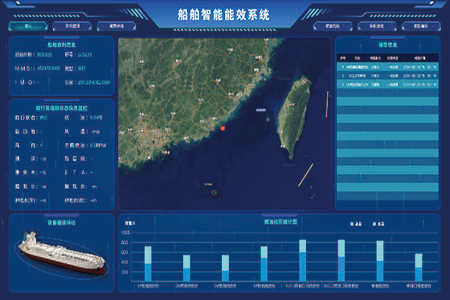
Visual dashboards and reporting tools to enhance operational efficiency;
Open data interfaces for seamless system integration and future scalability;
Data-driven energy management supporting energy-saving and emission reduction evaluation;
Ship-shore collaboration mechanism enabling remote operation and management
High integration and modular design for easy installation and maintenance;
Integrates real-time monitoring, dynamic optimization, and intelligent decision-making;